Academic background:
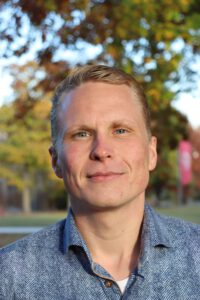
Knowing from a young age that I was meant to be a historian but dissatisfied with the Eurocentrism and denial of non-normative histories, my academic journey revolves around deconstructing colonial perspectives and highlighting the stories of people and objects marginalized in current hegemonic frameworks. During my lifetime, I was fortunate enough to have lived in the Netherlands, Japan, Taiwan, Thailand, and the United States: in most of these places, I was an immigrant myself. Here, I have learned how to navigate multiple and complex cultural settings and across contextual boundaries. This has allowed me to speak over eight languages (Dutch, West-Frisian, English, German, Japanese, Mandarin, Thai, and Indonesian), develop strong intercultural skills, and turn me into a critical thinker and team player.
University of Wisconsin-Madison, Ph.D. in History (September 1, 2024 onwards)
I started my PhD in East and Southeast Asian History at the University of Wisconsin-Madison in September 2024. Under the supervision of Assistant Professor Juan Fernandez and Professor Louise Young, I intend to specialize in the modern transnational history of the two regions, focusing on the trans-migratory history of Japanese to Southeast Asia from 1854 onwards.
Additional activities during my PhD includes being a member of the Graduate Student Council (2024-2026) and working as a library assistant for the Southeast Asian librarian (see below). Courses I have taught for as a Teaching Assistant (TA) include: “History 244: Introduction to Southeast Asia” (Fall 2025), “History 246: Southeast Asian Refugees of the Cold War” (Spring 2026), and “History 201: Historians’ Craft: Japan after 1945“
Support for this fellowship is provided by the Graduate School, part of the Office of Vice Chancellor for Research and Graduate Education at the University of Wisconsin-Madison, with funding from the Wisconsin Alumni Research Foundation and the UW-Madison.
National Taiwan University, Master of Arts in Cultural Anthropology (February 1, 2019, to January 31, 2020)
Ensuring that my own perspective would not be blindsided by my experiences and interest in Japan and the Netherlands (as two colonizing countries), I decided that, to understand the complexity of colonialism more accurately, moving to Taiwan would be the most logical course of action. My specialization at Leiden allowed me to commence a second degree at National Taiwan University. Prior to my start, I took six months of Mandarin classes (September 2018 to February 2019), achieving a level equivalent to CEFR B1 or TCFL Band B/Level 3. Within one year (February 2019 to January 2020), I completed a two-year degree in Cultural Anthropology that was taught 70% in Mandarin. With the intensity of the program, I followed classes on anthropology and archaeology of East and Southeast-Asia, developed skills in using computer programs such as ArcGIS to support academic research, and was able to expand my previous dissertation to suggest tools to how we can deconstruct colonial discourses within museum systems, learning from the case of Japan. This research has since been published partly in Museums & Society 21 (3), 22-35.
Leiden University, Master of Arts in Asian Studies (September 1, 2016, to March 31, 2018)
Returning from Osaka University, I felt it was imperative for me to start working on how to do justice to the plurality of perspectives not represented by national bodies. Therefore, I went to Leiden University as the specialized center of Asian Studies in the Netherlands and Europe. Here, I further enhanced my Japanese language skills (achieving N2 by 2018), gained a minor in ‘Critical Heritage Studies of Asia and Europe,’ and took seminars in political cultures in East-Asia. During the summer of 2017, I returned to Japan for three months to do primary research in the Tokyo National Museum and National Museum of Ethnography, where I analyzed their exhibition catalogues and permanent exhibitions at the time on the representation of the Ainu and Koreans. This accumulated in a thesis awarded with an 8.2, and allowed me to great cum laude (with distinction) by March 2018.
University of Groningen, Bachelor of Arts in History (September 1, 2012, to August 31, 2016)
During my undergraduate at the University of Groningen, well-known for its emphasis on theoretical history, I specialized in ‘Non-Western History’, specifically Japan.[1] In my first year, I encountered Dejima (出島), the Dutch trading port in Nagasaki and which led to ‘Dutch Studies’ (Rangaku/蘭学) throughout Japan during the 17th to 19th century. Being fascinated with this exchange and the Japanese perspective on the Netherlands, I set out to learn Japanese, specialized in their history, and did my exchange at Osaka University in 2014-2015. Here, I worked on several topics, including modern Indian history, ideas of sexuality and colonialism in modern Japan, and wrote my thesis on the role of museums during the Meiji-period (1868-1912) in creating a national identity.
[1] The term ‘Non-Western History’ was the name of the minor that I chose and the only minor within the bachelor program that analyzed history outside of Western Europe and the United States. Given the problematics with the term itself, I put it in quotation marks here.
Osaka University, Exchange Student (September 1, 2014, to August 31, 2015)
During my time as an exchange student (Osaka University Short-term Student Exchange Program or OUSSEP), I specialized in Japanese Studies. Here I took Japanese language classes, seminars on history, literature, anthropology, and political studies of Asia. In addition, by actively traveling, living, and participating in daily Japanese life (including being part of various clubs at the university), I gained a necessary deeper understanding of the country and its history, including stories from people that have been ignored within Japan, such as the Ainu and LGBTQI+, to whom I am forever grateful.
Work experiences:
My work experiences have been varied but have supported my (academic) interests and values: to facilitate a deeper understanding of other cultures and histories, to underscore the connectivity transgressing national boundaries, and to enhance knowledge we have of agency and entanglement. Here, I provide a highlight of some of the work that I have done throughout the years (from most recent to oldest).
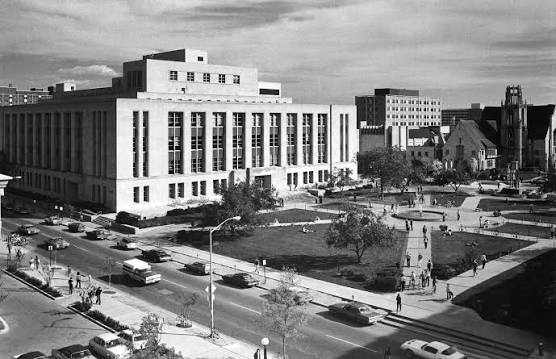
Assistant to the Southeast Asian & Hmong Studies Bibliographer and Preservation Department at Memorial Library, University of Wisconsin-Madison (February 1, 2025 onwards).
At Memorial Library, I both support Larry Ashmun, the Senior Librarian specialized in Southeast Asian & Hmong Studies, as well as the Preservation Department. My major tasks include evaluating and cataloging current books and research material on Southeast Asia and Europe, developing and maintaining research and library guides, and supporting in translation and other ad hoc requests to which I have the necessary skills. Here, I developed skills in data collection management and library software, such as Alma and LibGuides.
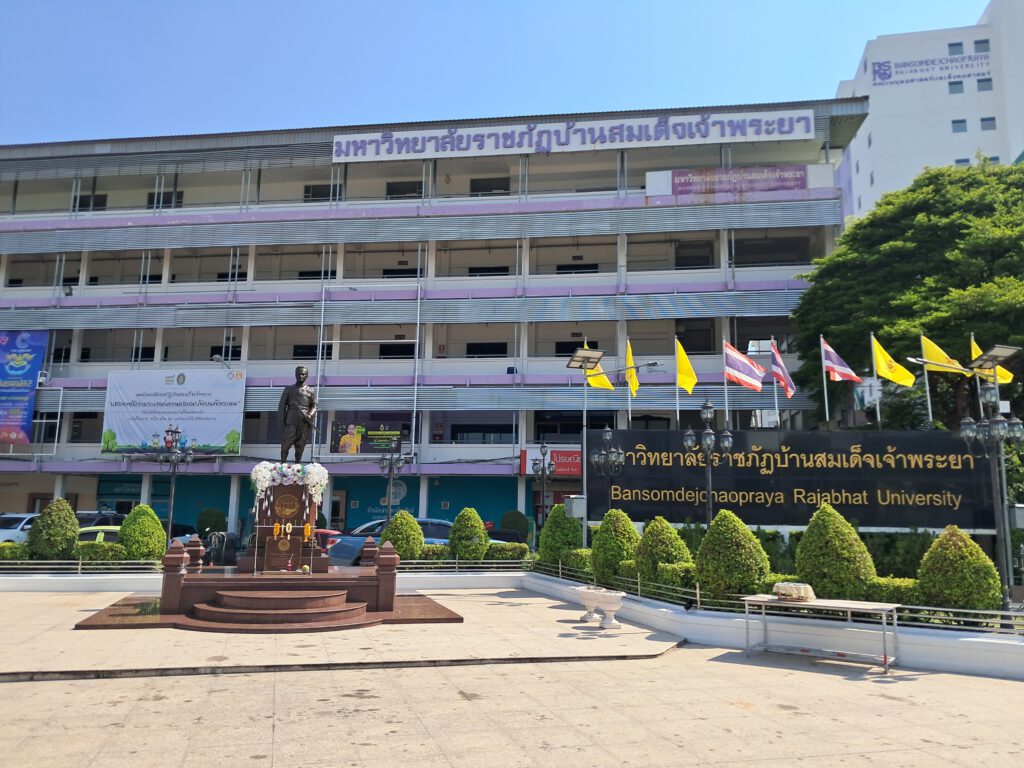
Academic Lecturer at Bansomdej Chaophraya Rajabhat University (มหาวิทยาลัยราชภัฏบ้านสมเด็จเจ้าพระยา), Bangkok, Thailand (June 01, 2021, to May 21, 2024)
At Bansomdej Chaophraya Rajabhat Unviersity, I was a lecturer and advisor at the department of International Affairs and ASEAN Network. Here, I designed and taught courses on research skills, pedagogy, intercultural communication skills, and English language training (including critical reading, academic writing and presenting, and general four skills). In addition, as part of the international affairs team, I created and supported projects on internationalization of the university, including implementing the Sustainable Development Goals, seeking partnerships with institutions across Asia and Europe, and teaching intercultural skills to education staff at BSRU and abroad. During my time at BSRU, I learned how to teach effectively, how to organize classes and projects, how to foster open dialogue and to enhance my skills in adaptability, patience, and teamwork.
Researcher at the International Institute for Asian Studies, Leiden, the Netherlands (15 January to 30 April, 2021).
With my experiences as the second dual degree student for the Double Degree ‘Critical Heritage Studies of Asia and Europe’ at Leiden and National Taiwan University, I was invited to research the development of the academic studies of heritage studies globally, to provide an overview and compare heritage-related studies worldwide, and to reflect on the strengths and weaknesses of this Double Degree program between Leiden, NTU, and Yonsei University. Here, I performed a review sutdy of existing programs and held interviews with current and former students in the program. An interview for the Newsletter of the IIAS on this research can be found here.
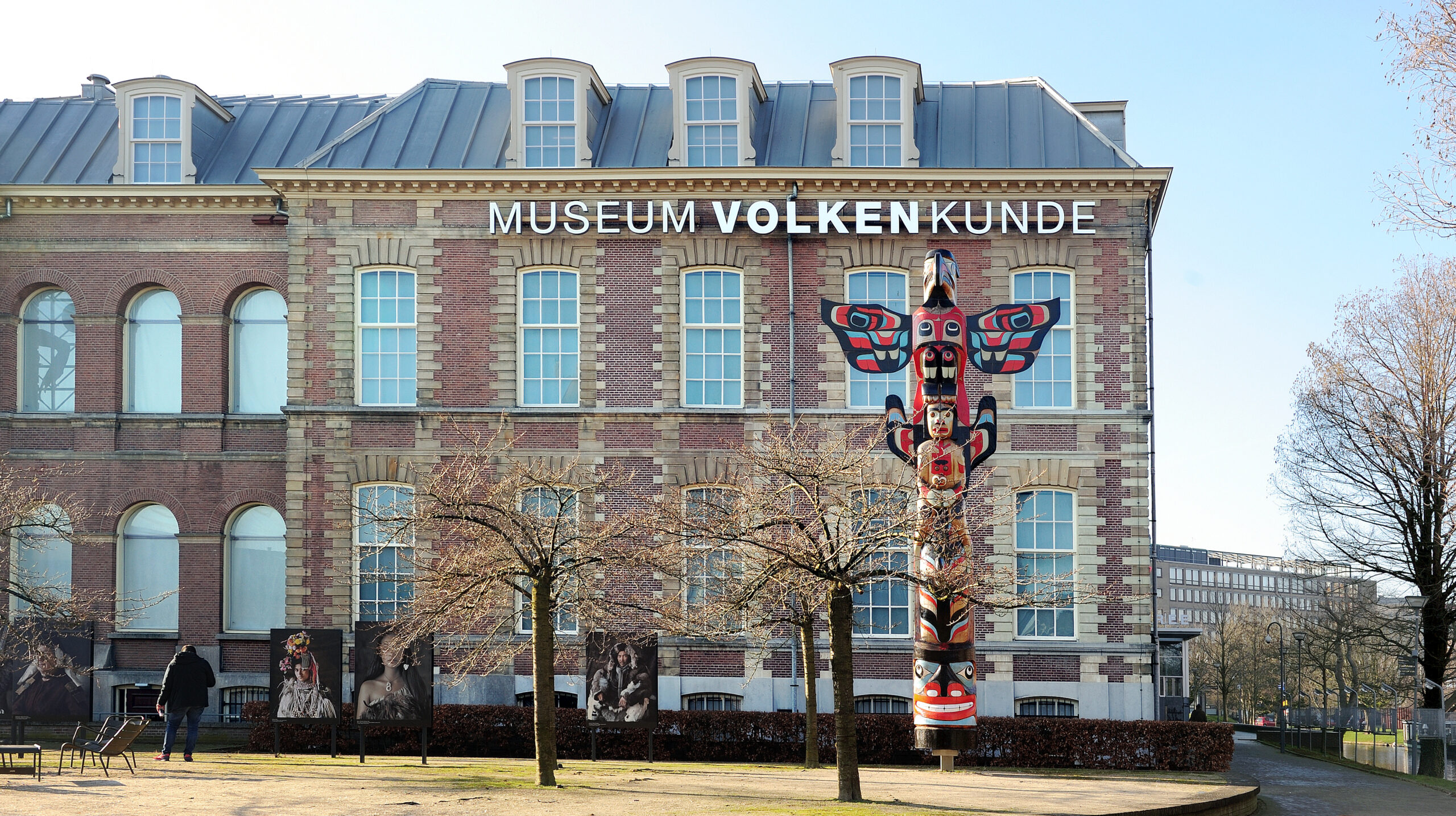
Tour guide at the National Museum of World Cultures (Museum Volkenkunde), Leiden, the Netherlands (September 1, 2016, to August 31, 2018)
Being a tour guide at the Dutch National Ethnographic Museum in Leiden allowed me to share my interests in passions for museums, anthropology, and the human interconnectedness. I provided tours for all permanent and temporary exhibitions to all age groups. Here, I developed how to present engagingly, the ability to translate academic knowledge to different public groups, and effective communication skills.
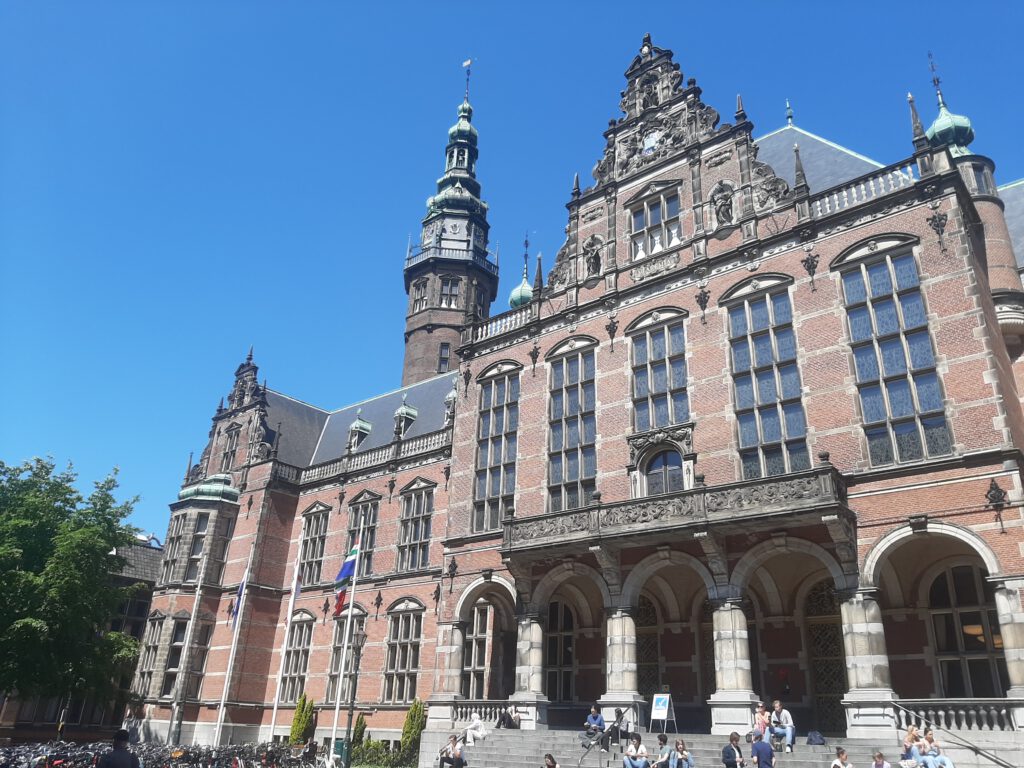
Student Assistant at the University of Groningen (Rijksuniversiteit Groningen), Groningen, The Netherlands (October 01, 2015, to July 31, 2016)
At the Department of Education at Faculty of Behavioral and Social Sciences at the University of Groningen, I supported national research on the applicability of the Japanese teaching professionalization called Lesson Study (Jūgyō Kenkyū/授業研究) for a Dutch context. Here, I was responsible for collecting academic literature and reviewing them and performed other tasks including providing Japanese cultural insights and translation work. This research was published in 2017, where my contribution has been acknowledged.